







Search Results for: coffee machine water temperature
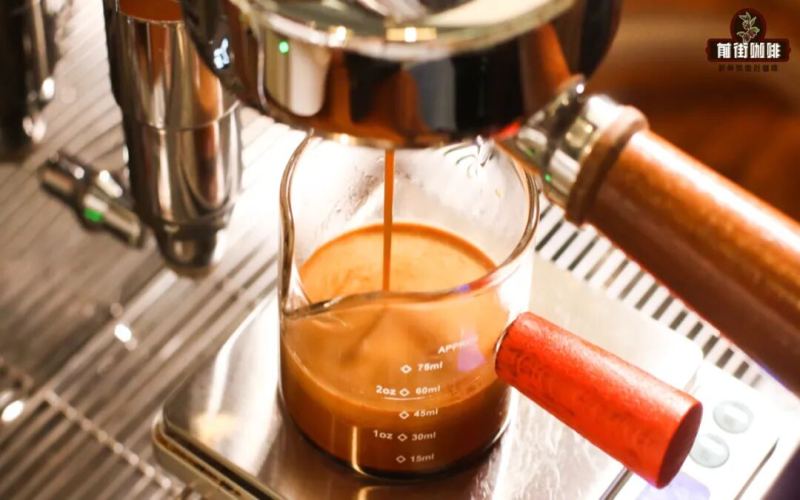
Coffee Water Temperature | What Does Your Coffee Machine's Water Temperature Affect? What Water Temperature Should Be Used to Brew a Delicious Espresso?
Previously, when Front Street shared knowledge related to espresso extraction, it would focus on the effects of parameters such as dose, ratio, grind, time, and pressure on extraction. In addition, it also emphasized analyzing the key operational points in steps such as receiving the grounds, distributing the grounds, tamping, and locking the portafilter into place. Only water temperature was something Front Street always [more…]
A Comprehensive Analysis of the Differences Between Espresso and American Coffee Machines: Principles, Purchasing Tips, and Usage Techniques Training Summary
For those who are new to coffee equipment, the differences between espresso machines and drip coffee makers are often confusing. This article systematically breaks down the characteristics of the two types of machines, from how they work, extraction methods, and price ranges to buying advice, and offers reference opinions for both home and professional scenarios. At the same time, the article also compiles common troubleshooting for espresso machines, the steps for making milk foam, and key details in choosing a drip coffee maker such as materials, water outlet holes, and temperature control, helping coffee lovers make more suitable judgments when buying and using them. Content involving Front Street brand recommendations mentioned in the article will also be retained for readers' reference. [more…]
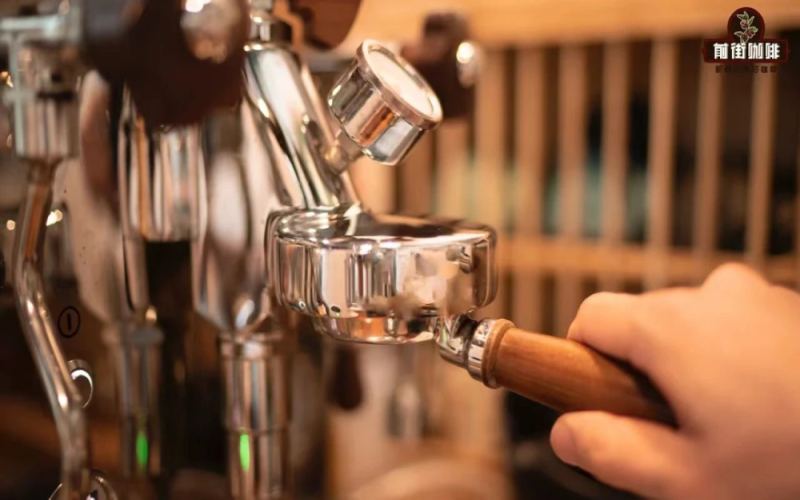
Espresso Extraction | What Is the Ideal Water Temperature Setting for an Espresso Machine? Does Water Temperature Affect Espresso Extraction?
For more specialty coffee knowledge, please follow: Front Street Coffee (Frontsteet Coffee). In the past, when Front Street shared knowledge about espresso extraction, it focused on parameters such as grind size, dose, ratio, extraction time, and pressure, and also provided in-depth analysis of steps like receiving the grounds, distributing the grounds, and tamping. [more…]
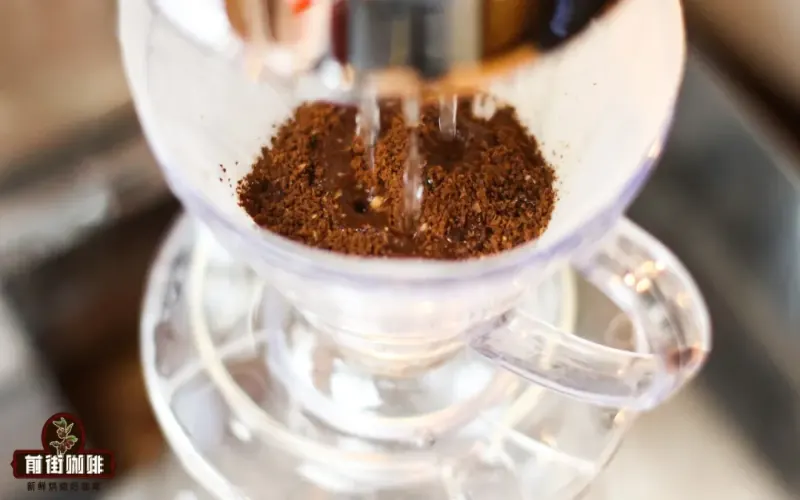
Can an espresso machine also make pour-over? Analyzing the principles of faux pour-over and key operating points for home espresso machines
Many people assume that pour-over coffee can only be made with a gooseneck kettle and a dripper, but in fact, an espresso machine can also produce a satisfying cup of drip coffee. The key lies in the proper setting of brewing parameters, not the pouring method itself. Using Front Street Ethiopia Huakui as an example, this article explains in detail the entire process of making pour-over coffee with an espresso machine, including water temperature measurement, dripper selection, grind size adjustment, and the specific steps of pulse pouring. It also explores the so-called fake pour-over concept, helping readers understand the core logic of coffee extraction and allowing home espresso machines to unlock more possibilities. [more…]
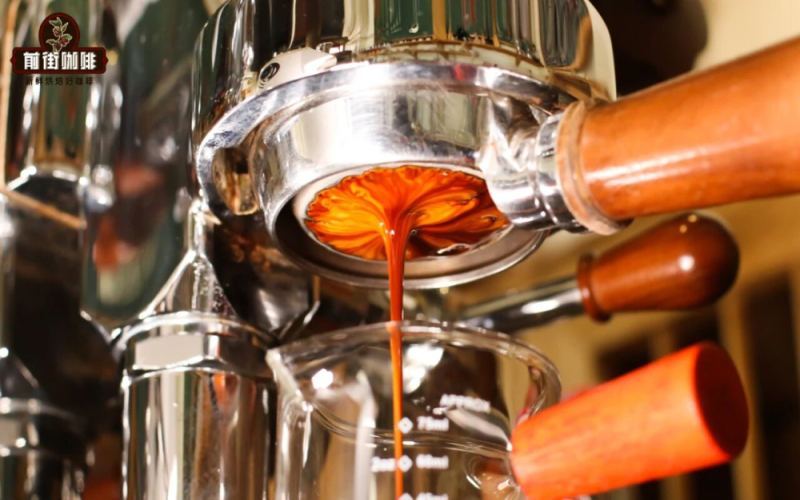
How Should Espresso Extraction Water Temperature Be Set? A Full Analysis from Machine Settings to Actual Extraction Temperature
When extracting espresso, parameters like grind size, dose, ratio, time, and pressure are often discussed repeatedly, but water temperature is often overlooked. In fact, water temperature has a decisive influence on the flavor direction of espresso—too high brings burnt bitterness and woody notes, while too low makes the coffee sour and astringent with thin crema. Starting from Front Street's practice, this article systematically sorts out the reasonable range for coffee machine water temperature, how water temperature affects flow rate, the difference between boiler temperature and actual extraction temperature, and how to set water temperature under different dose ratios, helping you find that delicious temperature point in your daily shots. [more…]
A Complete Guide to Espresso Extraction: From Milliliter Standards to Nine Key Variables
Espresso tastes bitter? The problem likely lies in the extraction process. Front Street Coffee begins with the century-long evolution of espresso machines, sorts out the operating parameters of modern Italian coffee machines, and uses the Lelite V3 as an example to fully demonstrate the production process of an espresso. From dose and distribution to water pressure, water temperature, grind size, extraction yield, and crema condition, nine key variables are broken down one by one to help you understand the technical logic behind a qualified espresso and find the adjustment direction that suits your own flavor preferences. [more…]
The Standard Espresso Extraction Guide: From the First-Generation Machines to the Full Breakdown of 9-Bar Parameters and Brew Ratio
Espresso may appear simple, yet it conceals numerous variables and a great deal of knowledge. From the perspective of Front Street Coffee, this article reviews the evolution of the espresso machine from its first-generation model in 1901 to modern semi-automatic equipment, and provides a detailed breakdown of nine major influencing factors: water pressure, boiler pressure, water temperature, tamping force, grind size, dose, extraction time, extraction yield, and crema. At the same time, using a classic Italian blend as an example, it gives specific operating steps and parameter standards for extracting 40 ml of espresso from 20 g of grounds, helping coffee enthusiasts understand how to consistently make a cup of Espresso with thick crema and balanced flavor. [more…]
Illustrated Guide to Espresso Making | What Is the Working Principle of an Espresso Machine? What Factors Affect the Taste and Mouthfeel of Espresso?
For more specialty coffee knowledge, please follow: Front Street Coffee (Frontsteet Coffee). Espresso is mostly perceived as bitter and astringent; when this happens, it is very likely that there is a problem in the production process. At this point, someone will ask Front Street Coffee (FrontS [more…]

Illustrated Guide to Using a Fully Automatic Coffee Machine: Detailed Explanation of Eight Key Functions and Operating Steps
Fully automatic coffee machines can complete the entire process from grinding beans to dispensing a cup with just one touch, and are becoming a popular choice for both home and office settings. This article uses text and images to explain in detail the core functions, button purposes, and usage steps of fully automatic coffee machines, and recommends suitable Front Street Coffee beans for different taste preferences. Whether you have just purchased a new machine or want to improve your daily brewing experience, you can find practical reference here to easily make a consistently delicious cup of coffee. [more…]
From Grinding to Temperature Control: Systematically Master the Seven Core Elements of Stable Espresso Extraction
To consistently make a delicious Espresso at home or in a shop, relying on feel alone is far from enough—you need to understand and control several key variables. This article breaks down the hardware and operational points that affect espresso quality one by one, from grind uniformity, fixed dose, and tamping technique, to brewing pressure, water temperature, extraction yield, and machine materials. Whether you use a flat burr or conical burr grinder, a vibration pump or rotary pump, you can find practical adjustment ideas here. The article also shares Front Street Coffee's practical suggestions on equipment selection and parameter settings, helping coffee enthusiasts avoid detours and make every shot of espresso closer to the ideal state. [more…]
Light, Medium, and Dark Roasts: Dialing In SOE on a Home Machine Like This
A cup of SOE can showcase the floral and fruity acidity of a light roast, the caramel sweetness of a medium roast, or even the cocoa notes and heavy body of a dark roast. Home espresso machines are not only suitable for blends—as long as the machine can heat stably, build pressure, and is equipped with a suitable single-shot basket, it can pull single-origin espresso. What truly matters [more…]
Uncovering the Hidden Factors Behind Unstable Espresso Extraction: How Residual Grounds, Water Temperature, Pressure, Environment, and Chamber Pressure Affect the Flow
Many coffee enthusiasts will notice that with the same beans and the same machine, the flow rate of espresso can change every few hours or even every few dozen minutes, sometimes fast and sometimes slow. Beyond the aging characteristics of the coffee beans themselves, there are actually quite a few easily overlooked hidden factors influencing the extraction results, including residual grounds in the grinder's chute, temperature fluctuations in the espresso machine's hot water, the state of the pump pressure, changes in ambient temperature, humidity and air pressure, and whether the grinder's hopper pressure remains stable in a café setting. Front Street will analyze these factors' mechanisms of influence on espresso extraction one by one, and provide corresponding improvement solutions to help everyone reduce unnecessary adjustments and make their output more consistent. [more…]
Will baristas be replaced by machines? A standard analysis of water temperature, grind, and ratio for pour-over coffee
There are countless pour-over coffee brewing methods, but the core variables that truly determine flavor are simply grind size, water temperature, and the coffee-to-water ratio. Yet these seemingly simple parameters and circular pouring make it hard for many people to consistently reproduce a good cup of coffee. Machines are naturally superior to humans in consistency—does this mean baristas will eventually lose their jobs? Front Street has a bold prediction: mechanized production roles may be replaced, but baristas who truly understand brewing logic will move behind the scenes, responsible for formulating and adjusting plans. This article starts from standard brewing methods and explores the relationship between technique, understanding, and the future of baristas. [more…]
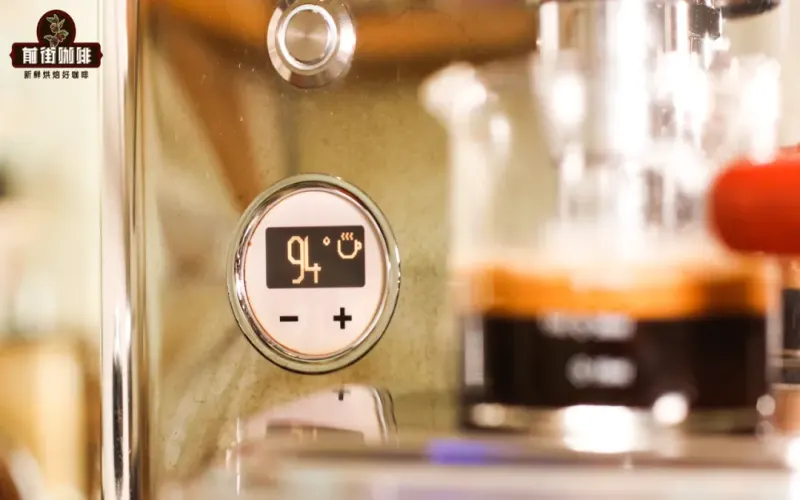
What Temperature Should You Set for Espresso Extraction? Analyzing the Impact of Water Temperature on Flow Rate, Crema, and Flavor
When pulling espresso, what temperature should the water actually be set to? Starting from Front Street's hands-on experience, this article systematically sorts out the specific effects of water temperature on extraction efficiency, the flow rate of the coffee liquid, and the richness of the crema, and combines the differences in dose and ratio between espresso and Americano to explain why the preferred water temperature ranges for the two are not the same. The article also introduces a practical approach: fix the water temperature within a reasonable range, and instead adapt by adjusting the grind and liquid weight, so as to quickly and stably extract a delicious espresso. In addition, the article also gives specific explanations on the deviation between boiler water temperature and actual extraction water temperature, as well as how to respond when the interval between extractions is too long. [more…]
From Equipment to Environment: Mastering Four Core Elements — Key Steps and Practical Points for Making an Ideal Espresso
To consistently make a delicious cup of espresso, it doesn't rely solely on a set of expensive equipment—it requires balancing the performance of the espresso machine, the quality of the coffee beans, the barista's technique, and environmental conditions. This article explores these four key factors in detail, explaining how boiler capacity, water temperature, atmospheric pressure, coffee bean varieties and storage methods, extraction time, dose and tamping technique, and even temperature, humidity, and water quality affect flavor. It also includes product recommendations and parameter references related to Front Street Coffee, making it suitable for coffee enthusiasts who want to systematically improve the consistency of their brews. [more…]
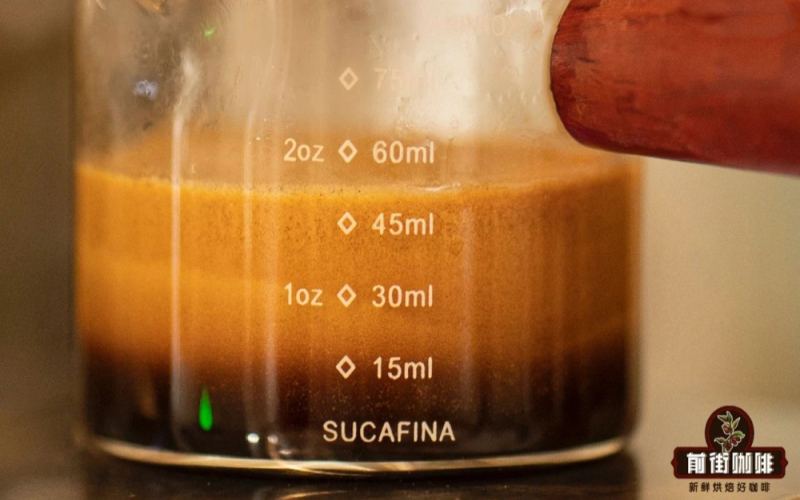
A Complete Analysis of the Differences Between Espresso and Americano Coffee Beans: From Extraction Parameters to Front Street Brand Blend Recommendations
As China's specialty coffee wave continues to heat up, espresso is practically a standard offering in every café, yet its offshoot, Americano, leaves many people puzzled: what exactly is the difference between the two? This article, from the perspective of Front Street Coffee, first introduces you to the extraction logic of semi-automatic espresso machines and espresso, traces the history from the first coffee machine in 1884 to the Faema E61, then breaks down key parameters one by one—dose, brew ratio, time, pressure, water temperature—and introduces the flavor profiles of several Front Street Coffee espresso blends, finally explaining how espresso becomes a cup of Americano when diluted with water. [more…]
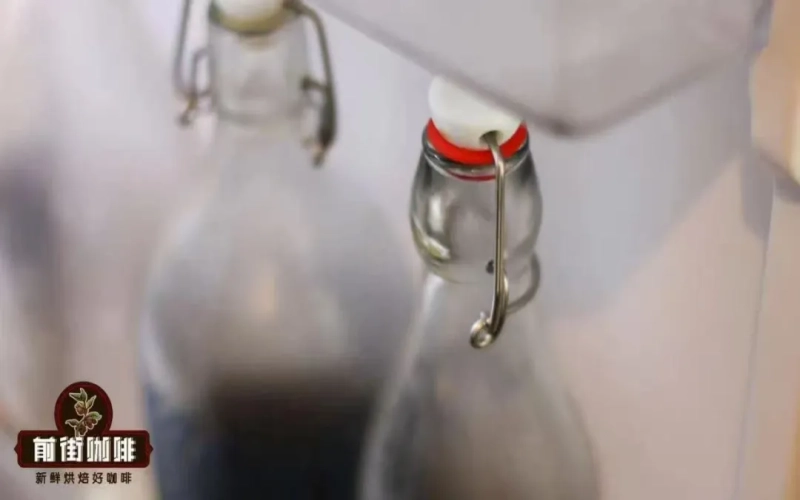
How to Speed Up Cold Brew Extraction? Can an Espresso Machine Make Cold Brew? Cold Brew Coffee Shelf Life Explained
Cold brew coffee typically requires a steeping time of more than 8 hours, followed by a period of maturation to reveal its full flavor. But many coffee enthusiasts want to shorten the waiting time, so some bloggers have shared a method for "making high-sweetness cold brew in one minute"—using a hand press or espresso machine to extract with cold water at 9 bar of pressure. Front Street Coffee has also experimented with ice-water extraction, and the result was a cup of cold brew that looked decent in just a few minutes, but tasted like little more than coffee-flavored water, with a mouthfeel and strength far inferior to the long-steeped version. This article analyzes in detail the principles and limitations of rapid cold brew, explains why flavor compounds cannot be fully dissolved at low temperatures even under pressure, and offers a more feasible way to shorten the time: appropriately raising the initial steeping water temperature. It also answers common questions such as how long cold brew coffee can be stored. [more…]
How can an automatic pour-over coffee machine brew good coffee? Which coffee beans are suitable for American-style fully automatic models?
As technology continues to advance, coffee brewing has entered the era of automation. Automatic milk frothing and automatic latte art have long been commonplace, so can the ritual-rich pour-over coffee also be entrusted to a machine? This article, through a comparative experiment between an automatic brewing coffee machine and manual pour-over, uses the same Front Street Golden Mandheling, comparing grind size, coffee-to-water ratio, water temperature, and brewing technique one by one. The experiment not only tested whether the extraction yield fell within the golden cup range, but also conducted tasting from dimensions such as flavor layering and body thickness. At the same time, the article also provides suggestions for coffee beans suitable for pairing with automatic pour-over coffee machines, covering different roast levels and flavor orientations, helping enthusiasts choose equipment and beans more rationally. [more…]
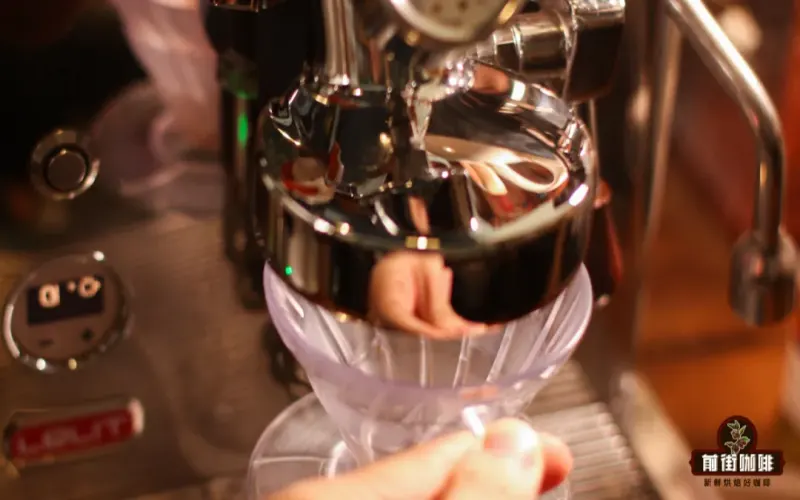
Can an Espresso Machine Make Pour-Over? A Comprehensive Analysis of Pour-Over Coffee Grind Size and Brewing Methods
When the size of a pour-over dripper happens to match the brew head of an espresso machine, an interesting question arises: can an espresso machine be used to make pour-over coffee? This article starts with a theoretical analysis, exploring the feasibility and limitations of brewing pour-over with an espresso machine, and then, through a practical brewing experiment using beans from Elida Estate Catuai, combined with specific parameters and operating steps, verifies the final cup quality. If you are interested in the principles of coffee extraction and the cross-use of brewing equipment, why not join Front Street Coffee and see what surprises this experiment can bring. [more…]
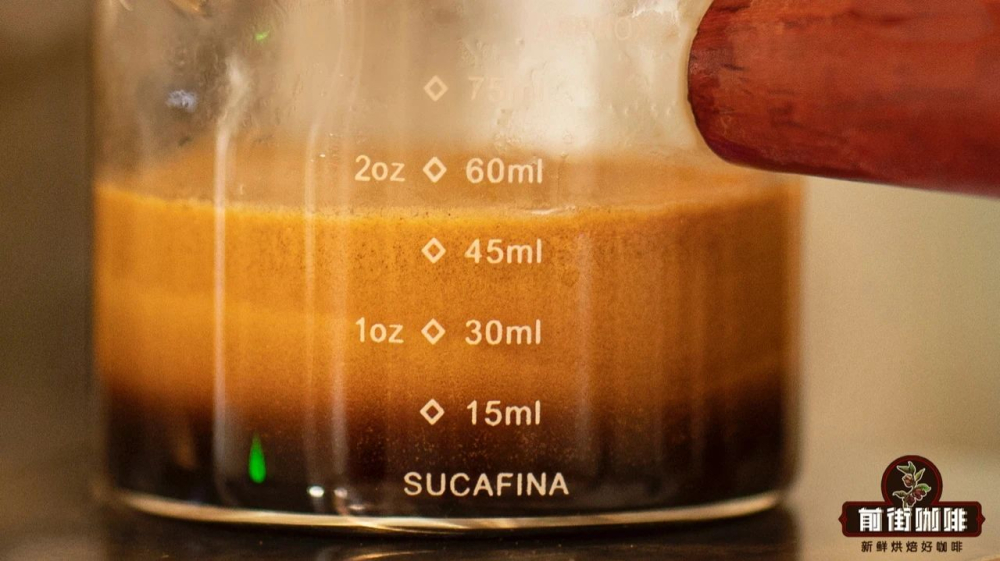
Espresso Bean Brand Recommendations | What's the Difference Between Americano Coffee Beans and Espresso Coffee Beans? Which Tastes Better, Espresso or Americano Black Coffee? Introduction to the Origin and Extraction Ratio of Espresso
In recent years, China's specialty coffee craze has grown hotter and hotter. However, in most cases, whenever you meet up with friends to chat over coffee at a café, espresso-based coffee is bound to make an appearance. And under the branch of espresso-based coffee, there is actually an option called Americano, which leaves many friends scratching their heads—espresso-based coffee [more…]